
Is the Mekong Delta really just about rice paddies and floating markets?
Behind the iconic landscapes lies a deeper story of human resilience and constant adaptation. For generations, local life revolved around rice. As markets shifted, farmers moved to fruit orchards, and eventually, forward-thinking locals embraced high-value livestock and certified processing.
Thirteen years ago, a local female founder started with a simple mother’s wish: pure milk for her child. Today, that personal mission has transformed into the region’s largest purebred goat farm—a pioneer in sustainable, zero-waste agriculture.
Here is what an authentic, unscripted visit looks like:
1. THE LIVELIHOOD SHIFT
Listen to local farmers share their genuine journey—from struggling with traditional crop yields to mastering circular farming, turning fresh local grass and rice straw into premium dairy.
2. A HANDS-ON FARM CONNECTION
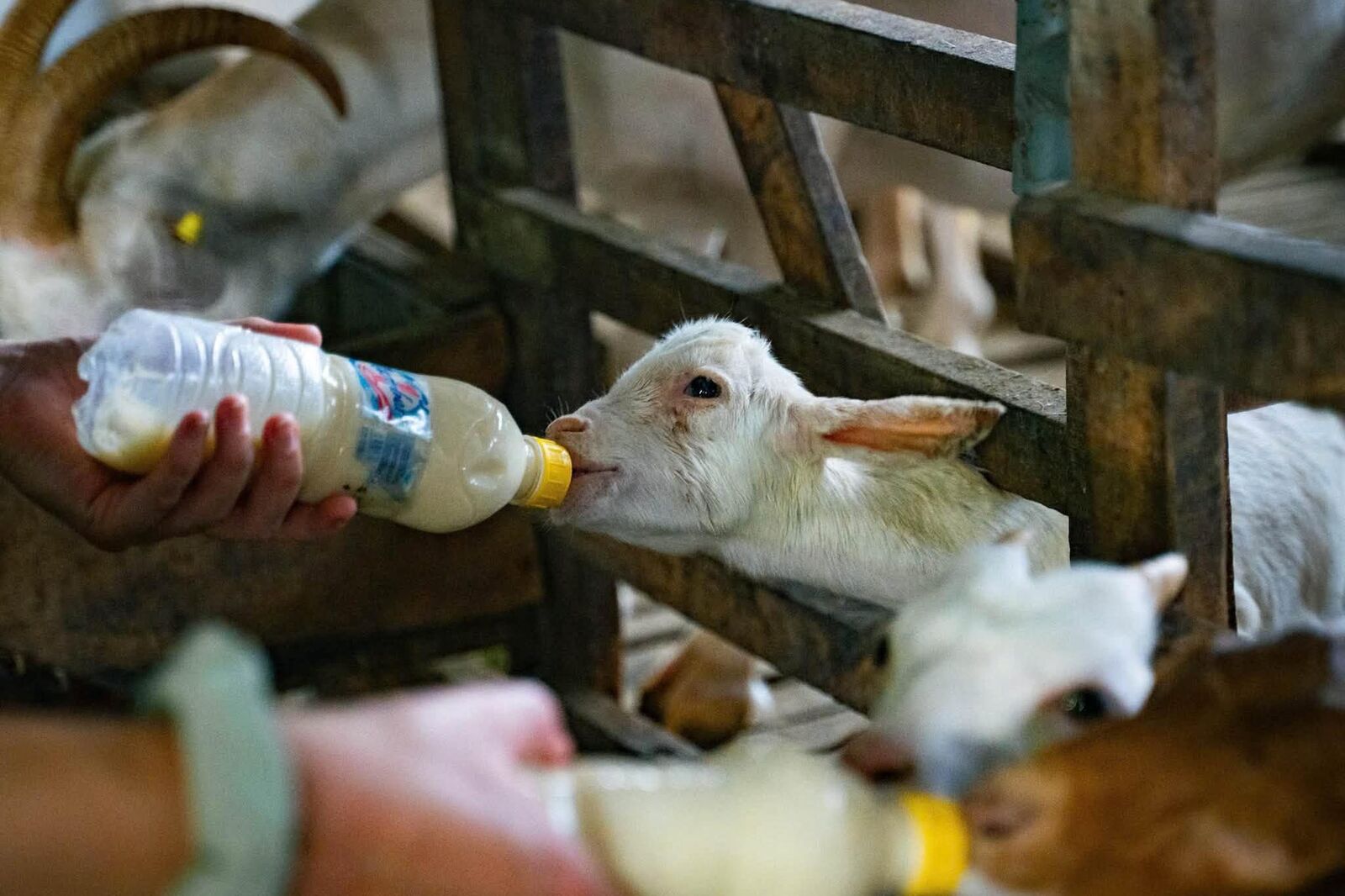
Walk through spacious pastures with nearly 400 purebred goats (sourced from Australia and the National Breeding Center). Feed the friendly herd, hold newborn kids, and meet the 13-year-old matriarch who lived through the farm’s entire evolution.
3. CERTIFIED ARTISANAL TASTINGS
Gather around the rustic wooden table to taste small-batch pasteurized fresh milk, creamy homemade yogurt, and unique freeze-dried goat yogurt bites—an innovative local process preserving pure nutrition in a crisp, melt-in-your-mouth form.
4. THE SPIRIT OF MEKONG FARMERS
More than an agricultural landmark, this farm embodies the intelligence and resilience of rural women and families carving out a dignified, sustainable future on their own land.
A visit here is more than an agricultural stop—it is a quiet, inspiring glimpse into the resilient soul and evolving craft of Mekong rural life.