
Unspoken language of the Mekong River
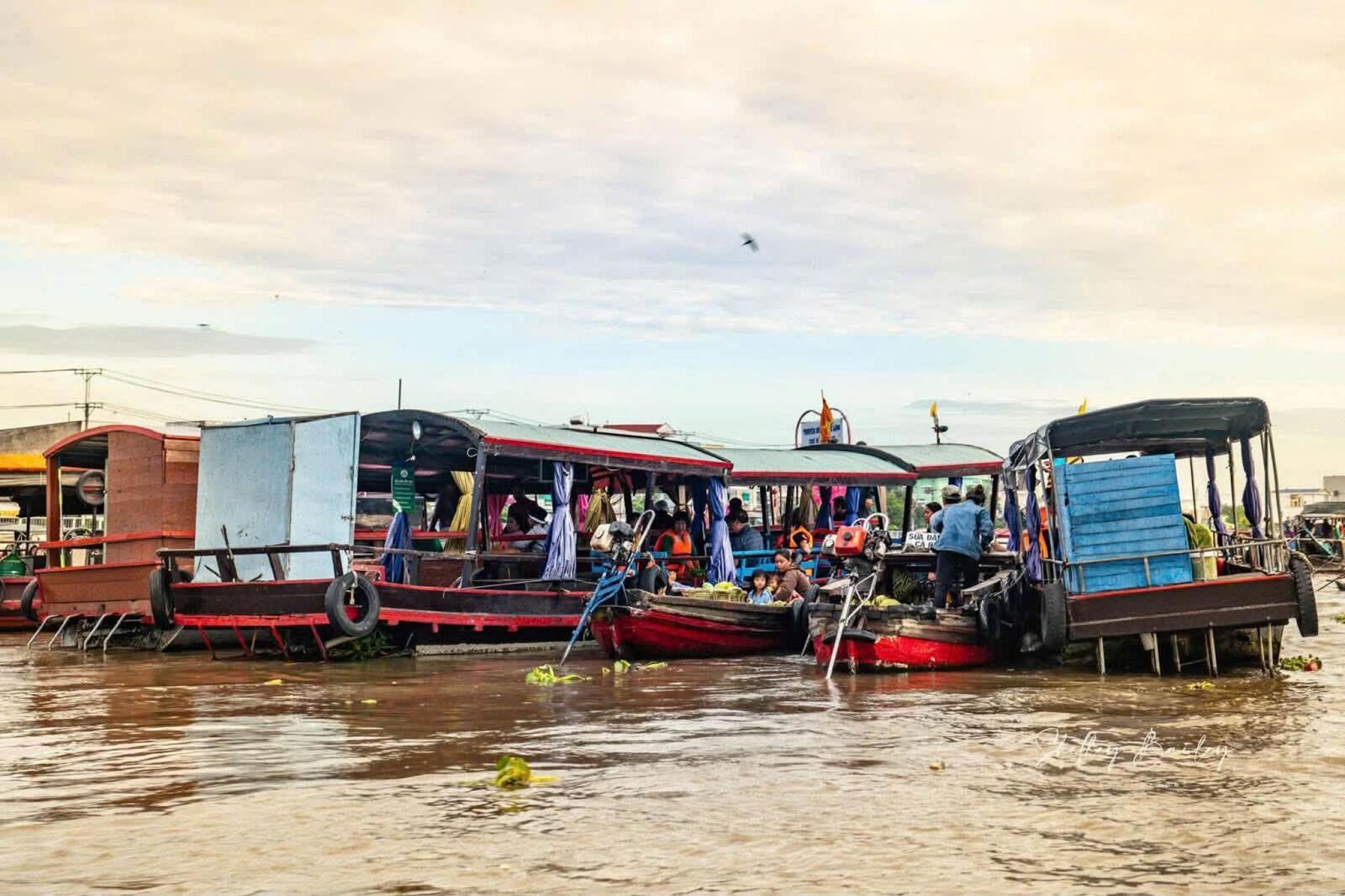
If you sit by the Hau River in Can Tho at 5:00 AM, you’ll see dozens of wooden boats carrying travelers out to Cai Rang. Most people take the same photos, eat a quick bowl of noodles on the water, and head back before noon thinking they’ve seen the floating market.
Having spent so much time on these waters, I’ve realized that the true soul of the river is quietly unfolding hours before the crowds arrive.
If you ever find yourself waking up in Can Tho before dawn, here is what the river is secretly trying to show you:
The Silent Billboards (Cây Bẹo): Long before digital ads or painted signs, river traders created their own visual language. At the bow of almost every trading boat stands a tall bamboo pole with fruits or vegetables hung high in the air. A single pineapple or yam against the morning sky tells buyers exactly what’s on offer from hundreds of meters away—no shouting over the waves needed.
A Change of Perspective: Watching the market from a low passenger seat only gives you a passing glimpse. The real warmth happens when you step onto a local trader’s large cargo boat, sipping fresh coffee and sharing slices of sweet pineapple while looking down on the morning bustle from above.
The World Behind the Main River: The floating market is only the opening chapter. The delta’s most peaceful moments are hidden in the narrow, winding side-canals where large tour boats simply cannot fit—leading to quiet family craft workshops and organic fruit orchards tucked away behind the greenery.
To me, slow travel isn’t about rushing through a checklist. It’s about finding those quiet, private pockets of culture that stay with you long after you leave.